

Why Drying Your Canvas Tarp Properly is Critical
- connoepowell315
- Jul 8
- 4 min read
Drying your heavy cotton sheet completely matters because trapped water quickly breeds mold and destroys the fabric. When you pack away a wet sheet, tiny fungal spores start to eat the fibers within twenty-four hours. Indeed, this ugly growth creates bad smells, rots the material, and leaves large holes that ruin your gear. Therefore, you must remove every drop of moisture before you roll up your favorite canvas tarpaulin for storage. In addition, taking this simple step protects your investment and ensures your heavy cover lasts for many years.
How Moisture Destroys Your Heavy Cover
To begin with, water hides easily inside the tight weave of natural cotton fibers. Even if the surface feels dry to your touch, the inner threads can still hold onto dampness. Consequently, this trapped wetness creates the perfect home for quiet destroyers like mildew and black mold. Since these organisms love dark, warm spaces, a folded sheet in a garage becomes a paradise for them. Soon, you will notice a terrible, musty smell. Truly, a wet tarpaulin will lose its strength and tear apart during the very next storm.
Mold Grows Fast In Wet Spots
Furthermore, mold does not just sit on top of the material because it actually eats the natural cotton. Specifically, the tiny roots dig deep into the cloth and weaken the structure of your gear. If you leave the moisture alone, the fabric will rot until it falls apart like wet paper. Then, the special protective coatings will peel off completely. As a result, you cannot easily fix a sheet once deep rot takes over the fibers. For this reason, checking your tarpaulins for damp spots saves you from buying expensive replacements.
Smart Ways To Air Outdoor Sheets
Fortunately, you can protect your gear with a few easy steps after a heavy rainstorm. First, spread the large cloth out completely flat on a clean driveway or a green lawn. Mainly, shake off the big puddles of water so the air can circulate around the material much faster. Next, hang the sheet over a sturdy clothesline or a strong wooden fence. In this way, you want the wind to blow against both sides of your heavy tarpaulin at the same time.
Clearly, choosing the right location makes a huge difference when you need to clear away water. For example, warm sunshine works like magic because natural heat speeds up the evaporation process beautifully. However, you should avoid leaving the material under harsh summer sun for three straight days. Otherwise, too much intense sunlight can weaken the fibers over time. Instead, find a breezy spot with partial shade to safely dry your heavy tarpaulins without causing heat damage.
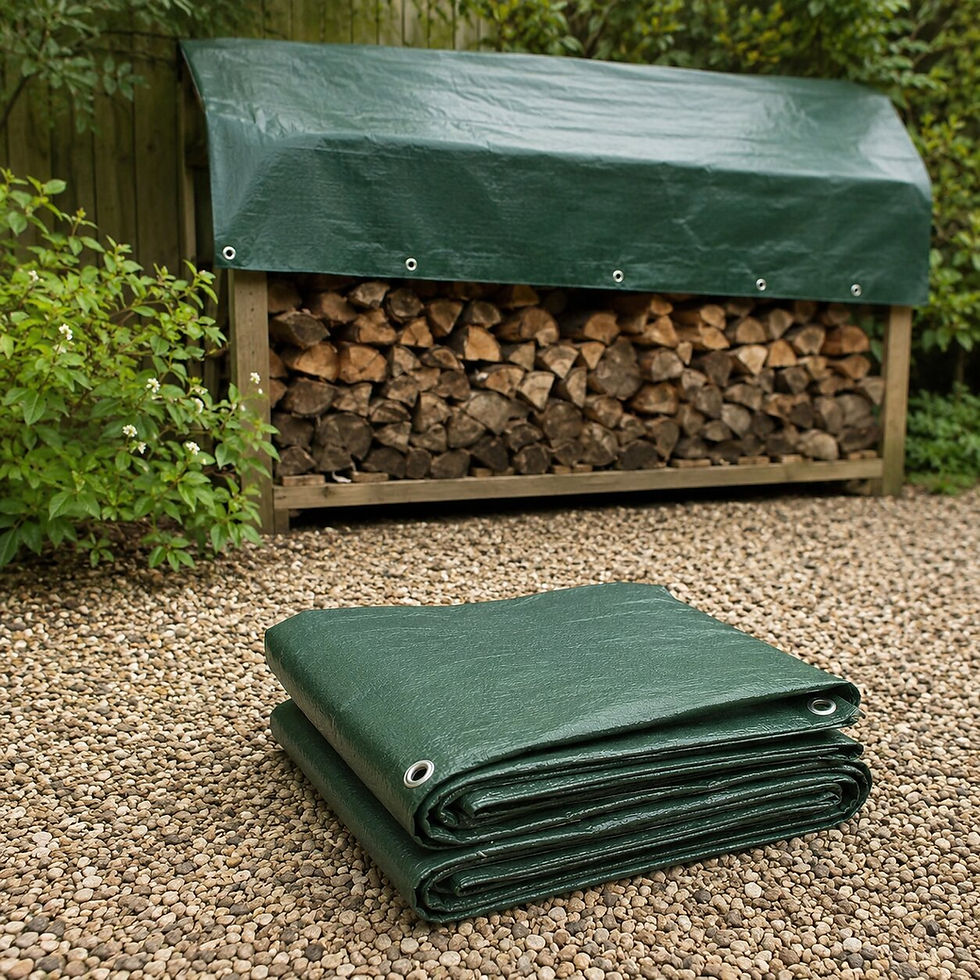
Sunshine Keeps Your Fabric Safe
Regrettably, many people feel lazy and skip this vital step because they want to finish their chores quickly. Often, they pack up their outdoor gear while it still holds a tiny bit of morning dew. Unfortunately, that small mistake leads to massive problems later when they open the storage box. Soon, the trapped dampness spreads across the entire bundle within just a few warm days. Then, you will find a ruined, slimy mess. Therefore, you must always wait until your tarpaulin feels bone-dry and crisp before you fold it.
Simple Mistakes People Always Make
Even after a long day in the sun, you should perform one final check on the seams and corners. Undeniably, thick hems and brass eyelets hold onto water much longer than the thin middle sections of the sheet. Therefore, run your hands along every edge to ensure no dampness remains hidden in the folds. If you find a wet spot, leave the cloth out for another hour to finish the job. Afterward, place your clean tarpaulin inside a breathable bag.
Final Thoughts
Ultimately, taking care of your outdoor gear requires a little bit of time but saves you a lot of money. By doing this, you prevent mold, protect the strong fibers, and stop rot simply by using the power of fresh air. Certainly, never rush the process or throw a damp bundle into a dark corner of your backyard shed. Instead, give the material the space it needs to release water. When you treat your canvas tarpaulin with respect, it will reward you by keeping your items safe.
Frequently Asked Questions About Covers
Q: How long does a heavy sheet take to dry completely?
Usually, a heavy cotton cloth needs four to six hours in a breezy spot to dry out. However, thick seams might require a little more time to lose all their moisture. Therefore, you must feel the material carefully to ensure your tarpaulin does not harbor hidden dampness before storage.
Q: Can I use a clothes dryer for my outdoor sheets?
No, you should never put this heavy material into a home dryer because the intense heat will shrink the natural fibers. Also, the tumbling action can damage the metal rings and ruin the protective coatings. Instead, always hang your large tarpaulin outside on a line so the natural wind can do the work safely.
Q: What should I do if my cover already smells bad?
If you notice a sour smell, you must wash the fabric immediately with warm water and mild soap to kill the active spores. Next, scrub the spots gently with a soft brush and rinse away the residue. Finally, hang your clean tarpaulin in the bright sunshine for a full day to remove the odor.


Comments