

How to Use Clear Tarps for Temporary Cold Frames
You can easily protect your winter plants by draping a see-through plastic cover over a simple structure you build with bent pipes to trap sunlight and block freezing wind. Cold weather normally harms tender vegetables and flowers. However, you can save them with a little effort. Gardeners use this trick to extend the growing season. You just build a basic frame over your garden bed and secure a clear tarpaulin over it tightly. The sun enters through the transparent plastic and heats the soil. The trapped warm air keeps your green friends cozy all night long.
What Are Cold Frame Gardens
Why Plants Need Extra Warmth
Winter brings frost and freezing temperatures that turn the water inside plant leaves into ice. As a result, the plant cells break and the greens die very quickly. People invent many ways to stop this freezing process. A mini greenhouse provides the perfect solution for backyard gardens. You trap solar heat near the ground so plants stay alive. This space requires a tough cover. A strong tarpaulin works beautifully for this job. You just lay it out to capture the heat. Because of this, your vegetables continue growing even when snow falls on the grass.
Choosing The Right Clear Material
Finding The Best Sunlight Cover
You need to pick the right supplies before you start building anything. The material must let bright sunlight reach the dirt so the plants get energy. Heavy plastic sheets work very well because they handle rough weather. Sometimes stores sell thin sheets that tear easily in the wind. You should avoid those cheap covers. Instead, you need a heavy duty tarpaulin that light can pass through easily. A thick cover prevents rips during big storms. Also, thick plastic holds the daytime heat much better than thin wrap.
Some covers have a woven pattern inside the plastic for extra strength. This mesh design stops tears from spreading if a sharp branch hits the cover. Gardeners really like this style for winter protection. You still get enough sunshine for the vegetables to grow happily. Plus, these reinforced sheets last for many years. A good mesh tarpaulin saves you money because you use it again and again. You simply fold it carefully when summer arrives. As a result, you create less waste and keep your garden budget very low.
Building Your Simple Plant Shelter
Making A Strong Base Structure
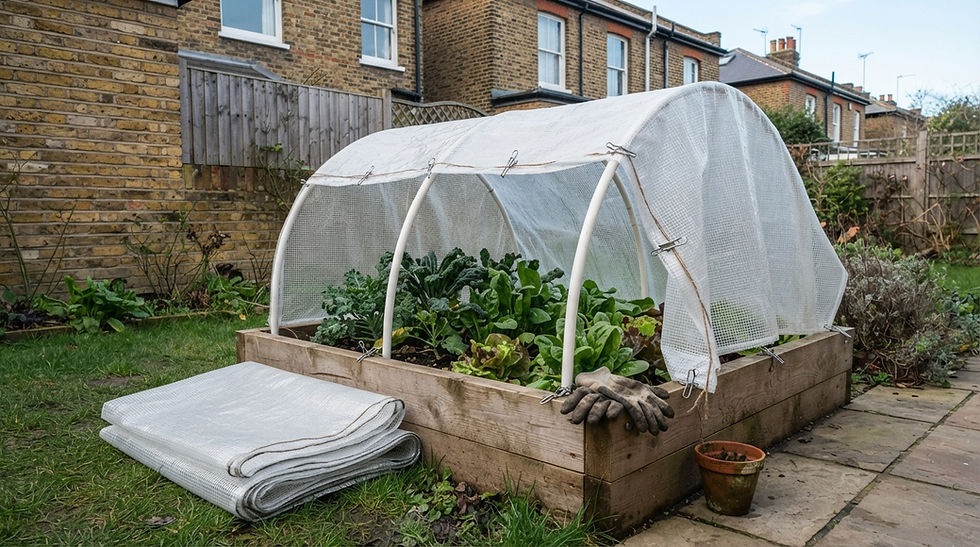
You must build a solid frame to hold your plastic cover high above the plants. Many people use cheap white plumbing pipes from the local hardware store. You can bend these pipes easily into half circles. Then, you push the ends deep into the dirt on both sides of the garden bed. This shape sheds rain perfectly. Next, you pull your tarpaulin tightly over the bent pipes. The round shape prevents water from sitting on top. Thus, you avoid heavy puddles that might crush your little plants.
Some gardeners prefer making wooden boxes instead of using bent pipes. You can nail old wooden boards together to make a simple rectangle on the ground. Then, you angle the top of the box toward the sun. After that, you stretch your transparent tarpaulin flat across the top of the wood. You staple the plastic to an old window frame or a wooden lid. This creates a neat roof that opens and closes easily. Because of this, you get a very sturdy plant shelter that looks great in any yard.
Placing The Cover Over Plants
Securing The Edges Very Well
Wind loves to sneak under loose edges and blow covers away completely. You must lock the edges down tightly so the heat stays inside. Some people use heavy bricks or big rocks along the bottom edges. You just fold the extra plastic outward and place heavy items on top. If you leave a gap, the cold air will ruin your hard work. You can buy special clips to attach your tarpaulin directly to the pipes. These clips grab the plastic and squeeze it against the frame very tightly.
Managing Heat And Fresh Air
Opening The Cover During Days
The sun generates an amazing amount of heat inside your small shelter. Sometimes the inside air gets too hot even on very cold winter days. If you leave it closed, you might accidentally cook your vegetables. You must let fresh air blow through the plants to keep them healthy. You can easily roll up the sides of your tarpaulin when the sun shines brightly. You clip the rolled plastic high up on the frame to let cool breezes inside. Then, the temperature stays comfortable for your growing greens.
Fresh air also stops mold from growing on the wet soil. Mold loves hot and damp places where the air never moves. You prevent plant sickness by giving them good airflow every single afternoon. However, you must remember to close the shelter before the sun goes down completely. You simply unroll your tarpaulin and secure the edges again before evening arrives. This daily routine keeps the nighttime frost away. This way, you maintain a perfect balance of fresh daytime air and cozy nighttime warmth for your entire garden.
Taking Everything Down For Spring
Storing Things For Next Year
Spring finally arrives and brings warm weather back to your neighborhood. Your plants grow tall and touch the top of the plastic ceiling. Now they feel brave enough to face the outdoor weather without any extra help. You remove the entire structure to let the spring rain wash the leaves. First, you pull the heavy tarpaulin off the frame and lay it flat on the grass. You wash the plastic with soapy water and let the sun dry it completely. Because of this cleaning, no nasty mold grows on it during summer.
Conclusion
Growing food during the coldest months brings wonderful joy to any gardener. You eat fresh salads while your neighbors look at their empty backyards. The process requires very little money and just a few simple tools. You only need some sturdy pipes and a reliable plastic cover. Using a clear tarpaulin transforms a freezing plot of dirt into a cozy home for vegetables. You just need to manage the air and water properly every week. Finally, you get to harvest delicious healthy food for your family all year long.


Comments